

Invest Malaysia Hub Logo Invest Malaysia Hub Contact Us
Contact Us

Malaysia’s Path to Economic Competitiveness Through Foreign Direct Investment

Understanding FDI inflow trends, government incentives, and sector-specific opportunities driving Malaysia’s economic growth

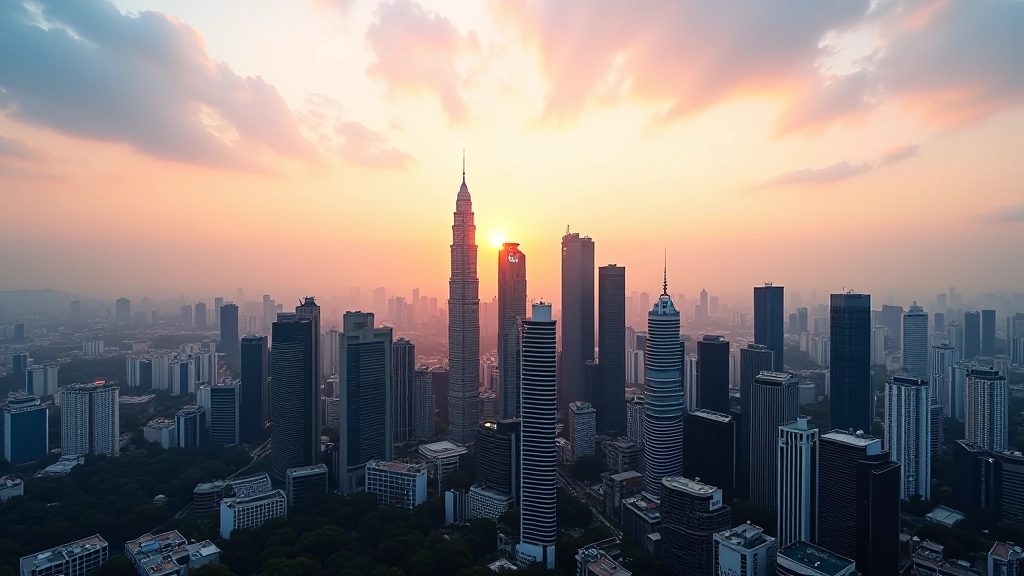
Modern business district with tall buildings representing Malaysia's economic growth and investment landscape

Why Malaysia Attracts Global Investors

A Strategic Hub for Foreign Direct Investment

Strategic Geographic Position

Malaysia’s location in Southeast Asia makes it an ideal gateway for investors looking to access regional markets. The country’s developed infrastructure, skilled workforce, and stable political environment create a compelling investment case. We’re seeing consistent FDI inflows across multiple sectors, with particular strength in semiconductors, manufacturing, and technology services.

The Malaysian government has worked hard to maintain investor confidence. Through the Malaysia Investment Development Authority (MIDA), there’s been a systematic approach to attracting quality investments that align with the nation’s economic transformation agenda.

  • Strategic Southeast Asia location
  • Developed port and airport infrastructure
  • English-speaking skilled workforce
  • Tax incentives and investment packages
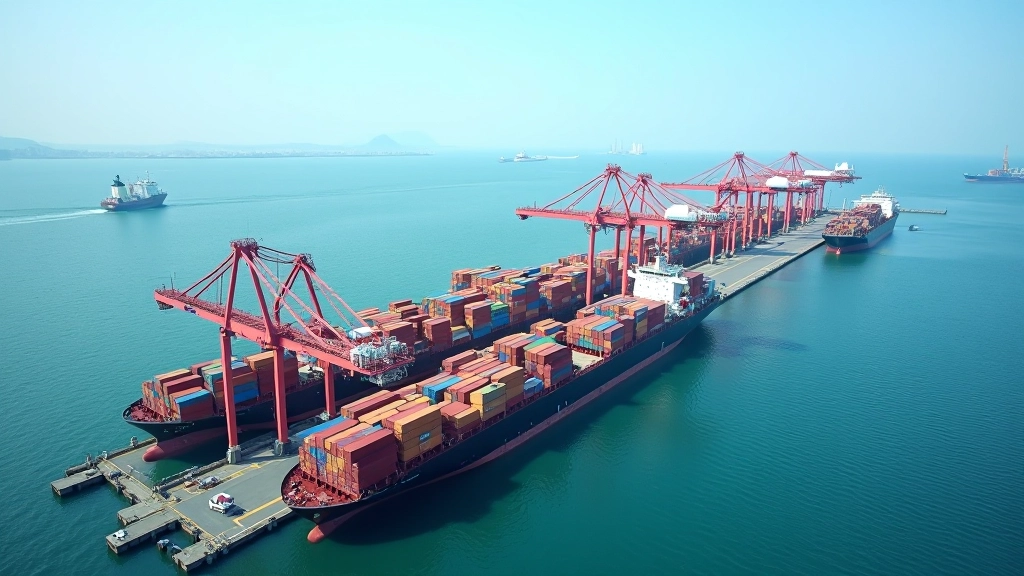
Malaysian port facility with cargo containers and shipping vessels representing trade infrastructure and investment hub capabilities

Key Investment Sectors

Where Global Capital Is Flowing Into Malaysia

Semiconductors

Malaysia’s semiconductor industry continues to attract major global players. The country’s established supply chain, technical expertise, and government support make it a preferred destination for chip manufacturing and design operations.

Manufacturing

From electronics to automotive components, Malaysia’s manufacturing sector remains competitive. Penang especially has built a strong reputation as an advanced manufacturing hub with modern facilities and skilled personnel.

Technology & Digital

The digital economy is growing rapidly. Tech companies are establishing regional headquarters and innovation centers, drawn by Malaysia’s tech talent pool and favorable business environment.

Financial Services

Kuala Lumpur’s position as a financial hub continues to strengthen. Islamic finance, wealth management, and fintech companies are investing significantly in Malaysia’s growing financial ecosystem.

Investment Perspectives

Insights from Industry Leaders

“We didn’t expect the level of government support and incentives available through MIDA. The process was straightforward, and the tax benefits really do make a difference when you’re planning long-term operations in the region.”

David Chen

Operations Director, Electronics Firm

“Penang’s manufacturing ecosystem is genuinely impressive. You’ve got established suppliers, technical expertise, and a workforce that understands advanced manufacturing. We’ve been here for five years and we’re still expanding.”

Maria Rodriguez

Plant Manager, Semiconductor Component

“The business environment’s competitive. But Malaysia’s combination of infrastructure, skilled people, and reasonable operating costs keeps us competitive versus other Southeast Asia options. Plus the government’s actually responsive to business needs.”

James Park

Investment Manager, Manufacturing Holdings

MIDA Incentive Programmes Explained

Government Support for Foreign Investors

Pioneer Status

Exemption from corporate income tax on statutory income for up to 5-10 years, depending on sector and location. Applies to new ventures and expansion projects that meet MIDA criteria.

Investment Tax Allowance

Companies can deduct a percentage of capital expenditure from statutory income. Accelerates cost recovery for manufacturing equipment and infrastructure investments.

Duty Exemptions

Relief from customs duties and sales tax on imported raw materials, components, and machinery. Reduces operating costs for manufacturing and assembly operations.

Training Support

Tax deductions for approved employee training programmes. Encourages workforce development and skills enhancement in growing sectors.

Green Investment Incentives

Additional benefits for projects promoting environmental sustainability. Malaysia’s pushing green manufacturing and renewable energy investments.

Regional Development Incentives

Enhanced benefits for investments in designated development areas. Supports balanced regional growth and infrastructure development.

Penang Manufacturing Hub: Excellence in Action

Southeast Asia’s Premier Industrial Zone

Penang industrial manufacturing facility with modern equipment and production line representing advanced manufacturing capabilities

A Proven Track Record

Penang isn’t just another manufacturing location — it’s an established ecosystem where global companies come to scale. The state’s been attracting FDI since the 1970s, and that experience shows. You’ve got the infrastructure, the supply chains, and the talent pool already in place.

Integrated Supply Chains

Established networks of component suppliers, assembly partners, and logistics providers. Reduces complexity and costs for multinational manufacturers.

Skilled Technical Workforce

Decades of manufacturing experience mean workers understand quality standards, precision work, and complex assembly. Technical training institutions support continuous workforce development.

Port & Logistics Infrastructure

Direct access to one of Asia’s busiest ports. Streamlines export operations and reduces supply chain delays for regional and global distribution.

R&D and Innovation Centers

Companies aren’t just manufacturing in Penang — they’re conducting research and development. Universities and tech parks support innovation and product development.

FDI Inflow Trends & Market Performance

Key Metrics Shaping Malaysia’s Investment Landscape

$9.4B
Average Annual FDI Inflow

Malaysia consistently attracts significant foreign investment across manufacturing, technology, and financial services sectors.

65+
Semiconductor Companies

Major global chipmakers operate in Malaysia, making it one of the world’s largest semiconductor manufacturing hubs.

18%
Manufacturing Employment Growth

Penang’s manufacturing sector shows sustained employment growth, reflecting sector expansion and investor confidence.

30+
Countries of FDI Origin

Investors from North America, Europe, Asia, and the Middle East all have significant operations in Malaysia.

Featured Resources on Malaysia’s FDI Landscape

Detailed Analysis and Industry Insights

Graph showing foreign direct investment inflow trends with upward trajectory and financial data visualization on screen

FDI Inflow Trends: Malaysia’s Five-Year Performance

Comprehensive analysis of foreign direct investment patterns, sector distribution, and year-on-year growth metrics shaping Malaysia’s economic trajectory

Read Analysis
Malaysian government office building with MIDA signage, modern architecture, representing investment promotion authority

MIDA Incentive Programmes: A Complete Breakdown

Detailed overview of Malaysia Investment Development Authority incentives, tax benefits, and how companies leverage these programmes for expansion

Read Guide

Semiconductor manufacturing facility with clean room technology, microchip production equipment, advanced industrial setting

Semiconductor Sector: Why Malaysia Attracts Global Investors

Exploration of Malaysia’s semiconductor industry advantages, investment drivers, technological capabilities, and future growth potential in global chip manufacturing

Read Insights

Common Questions About FDI in Malaysia

Understanding Investment Opportunities and Requirements

What sectors does MIDA prioritize for investment?

MIDA focuses on high-technology manufacturing, semiconductors, electronics, petrochemicals, automotive, aerospace, and digital/creative industries. Green technology and Islamic finance also receive special attention. The priorities shift based on national economic objectives, but semiconductors and advanced manufacturing consistently rank high.

How long does it take to obtain MIDA approval?

Timeline varies based on project complexity and completeness of application. Simple projects might get approval within 2-3 months, while complex manufacturing proposals can take 6-12 months. Having a qualified investment consultant or agent speeds up the process considerably.

Are there minimum investment requirements?

Minimum capital requirements vary by sector and location. High-tech manufacturing might require higher investment thresholds than service sectors. Regional development areas often have lower minimums to encourage investment in less-developed regions.

Why is Penang considered a manufacturing hub?

Penang’s earned its reputation through decades of manufacturing excellence. The state has established supply chains, port infrastructure, technical expertise, and a skilled workforce. It’s also home to numerous multinational companies that’ve built strong operations there, creating a competitive ecosystem.

What’s the outlook for semiconductor investment in Malaysia?

Malaysia’s semiconductor sector continues to grow. With global chip demand remaining strong and geopolitical diversification pushing companies to expand beyond traditional hubs, Malaysia’s positioned well. New fabrication plants and advanced packaging facilities represent significant investment opportunities.

How competitive is Malaysia versus other Southeast Asian countries?

Malaysia remains competitive through its combination of established infrastructure, skilled workforce, and stable government support. While labor costs aren’t the lowest in the region, the quality of operations and investor protections justify the investment for quality-focused manufacturers.

Ready to Explore FDI Opportunities in Malaysia?

Whether you’re considering expansion into Malaysia, researching MIDA incentives, or evaluating sector-specific opportunities, we’re here to help. Get detailed insights into FDI trends, investment strategies, and sector analysis.

Contact Our Team