Penang Manufacturing Hub: Regional Leadership & Future Outlook
How a Malaysian state became Southeast Asia’s electronics powerhouse and why it’s attracting billions in semiconductor investment
Why Penang Matters in Global Manufacturing
Penang isn’t just another industrial zone in Southeast Asia. It’s the region’s undisputed leader in electronics and semiconductor manufacturing — a position it’s held for decades. The state accounts for roughly 60% of Malaysia’s electronics exports, generating over $45 billion annually. That’s not just impressive numbers on a spreadsheet. It’s real factories, real jobs, and real investment flowing in from every major technology company you’ve heard of.
What makes Penang different? Strategic location, established infrastructure, a trained workforce, and most importantly, a track record of delivering results. Companies that set up here don’t just survive — they thrive. And that’s exactly why Intel, Bosch, Motorola, and dozens of other multinational corporations have built their regional headquarters and manufacturing plants on this small Malaysian island.
Infrastructure That Actually Works
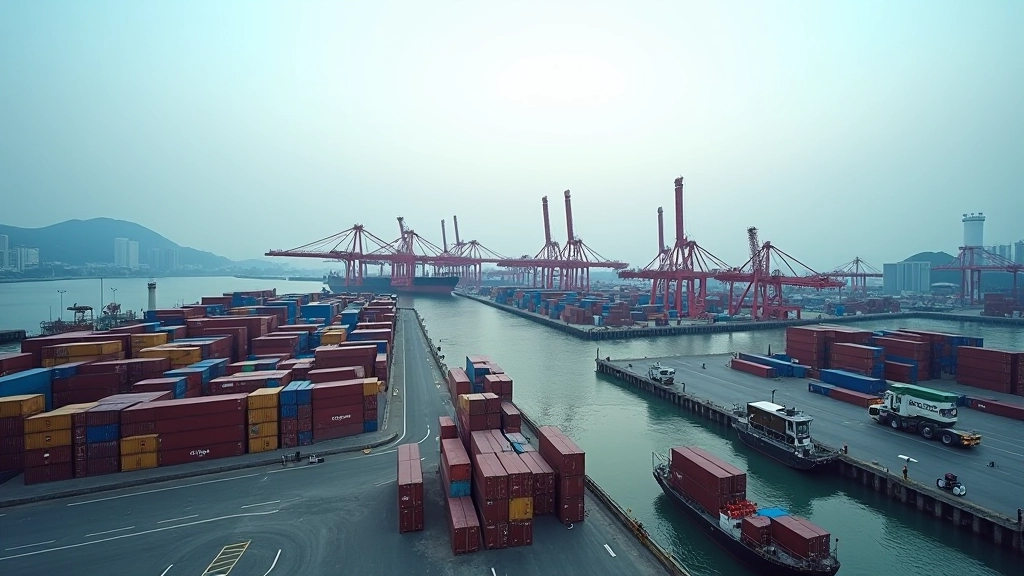
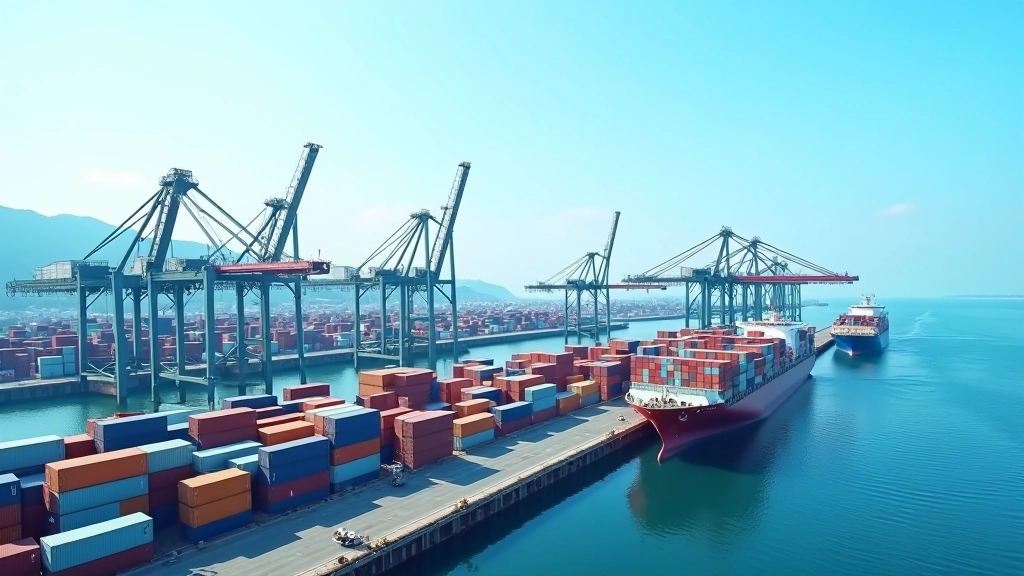
Geography matters. Penang sits on the Strait of Malacca — arguably the world’s most critical shipping lane. That’s not theoretical. It means products manufactured here reach global markets faster and cheaper than almost anywhere else. The state has two major ports (Penang Port and Port Klang connection), direct air cargo access through Penang International Airport, and seamless road/rail links throughout Malaysia and Southeast Asia.
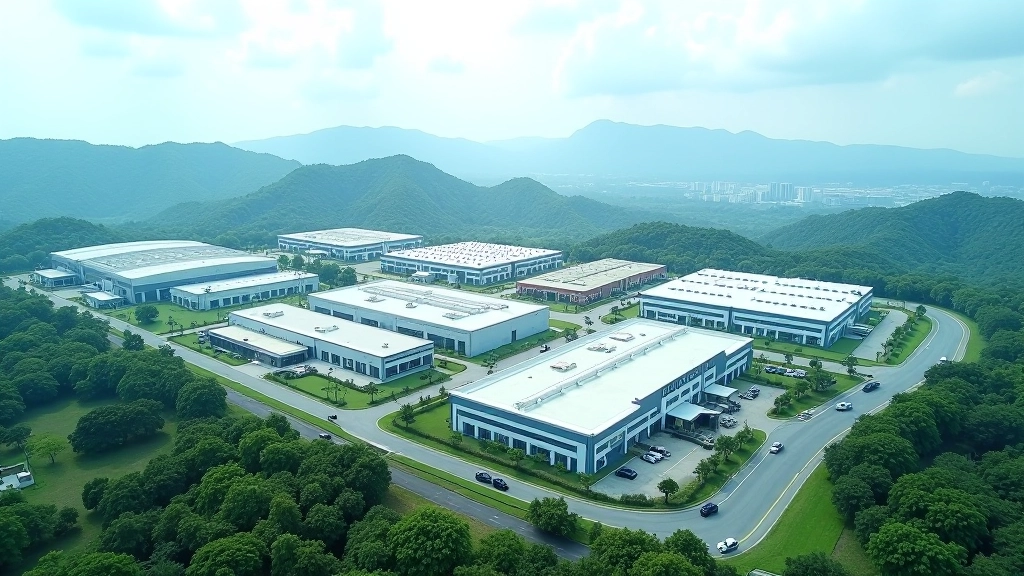
But infrastructure isn’t just about ports and airports. It’s about the everyday systems that make manufacturing work. Penang’s got reliable electricity grids designed specifically for industrial operations. Water supply systems engineered for semiconductor plants. High-speed internet and telecommunications networks. Industrial parks that’re actually well-maintained — not abandoned complexes from the 1990s. You’ll find facilities like Bayan Lepas Industrial Park, which’s been operating for over 40 years and continues expanding.
The electricity situation’s particularly important for semiconductors. These facilities consume enormous amounts of power. Penang’s energy infrastructure’s built to handle it, with dedicated industrial power zones and backup systems that keep production running 24/7.
A Workforce Built for High-Tech Manufacturing
You can’t manufacture semiconductors with untrained workers. Penang’s got something most regions struggle to find: a workforce specifically trained for electronics and semiconductor production. Over 150,000 people work directly in the electronics sector here. These aren’t just factory floor workers — they’re technicians, engineers, quality control specialists, and logistics coordinators who understand the precise requirements of modern manufacturing.
The education pipeline’s mature. Penang’s got specialized technical colleges, vocational training centers, and partnerships with universities that produce graduates with the exact skills manufacturers need. Companies can walk into the market and find experienced operators, not spend months training people from scratch. That directly reduces setup time and keeps production costs down.
Wage competitiveness matters too. Labor costs in Penang’re significantly lower than developed countries, but the skill level’s comparable to much more expensive regions. That cost-quality balance is incredibly attractive for multinational corporations running tight margins on high-volume products.


MIDA Incentives & Investment Attraction
Malaysia’s Investment Development Authority (MIDA) doesn’t just advertise opportunities — it actively removes barriers to investment. The incentive structure for manufacturing in Penang’s genuinely competitive. Companies setting up semiconductor or electronics manufacturing operations qualify for Pioneer Status, which grants tax holidays ranging from 5-10 years depending on the investment scale. That’s not theoretical savings. A $100 million semiconductor fab investment could save $15-20 million in taxes alone during the pioneer period.
Beyond tax holidays, there’s capital allowances on equipment, import duty exemptions on machinery and raw materials, and accelerated depreciation schedules. These aren’t small incentives. They’re designed to make Penang genuinely competitive against other regions courting the same investments. Vietnam’s got cheaper labor. Thailand’s got strategic location. But Penang combines lower costs with proven infrastructure and stability. That’s why you’re seeing continued investment even as global supply chains shift.
The real attraction though? MIDA’s commitment to working WITH companies, not just at them. Dedicated investment facilitation teams, streamlined approval processes, and genuine support for operational challenges. It’s why companies that start in Penang tend to expand here rather than relocate elsewhere.
The Semiconductor Boom: Why Penang’s Winning
The global semiconductor shortage of 2021-2023 revealed something critical: manufacturing concentration’s risky. Companies that had diversified their production survived. Those dependent on single regions got crushed. Penang benefited directly from this wake-up call. Every major chipmaker — TSMC, Samsung, Intel, Qualcomm’s manufacturing partners — started actively seeking alternative production locations. Penang was already on their radar. Now it’s become a priority destination.
Advanced Packaging Capabilities
Penang’s not just assembling chips — it’s doing advanced packaging and testing. Flip-chip technology, 3D packaging, chiplet assembly. These’re the high-margin processes that keep production profitable.
Established Supply Chains
Decades of electronics manufacturing means Penang’s got suppliers for everything — materials, components, services. That ecosystem’s worth billions and it’s not easily replicated.
Political Stability
Malaysia’s got stable governance, rule of law, and decades of respecting intellectual property. That matters when you’re investing hundreds of millions in facilities.
Strategic Location
Access to Asian markets, proximity to Southeast Asian growth centers, and direct shipping to Europe and Americas. That’s logistics efficiency that directly reduces costs.
Recent announcements tell the story. Intel’s been increasing test and assembly operations here. Micron’s expanded capacity. Osram, NXP, and dozens of others’ve added production. These aren’t small additions — they’re strategic commitments representing billions in investment over the next 5-10 years.
Challenges & Future Outlook
Penang’s not without challenges. Land constraints are real — the state’s developed most available industrial space. That’s driving interest in expansion areas like Kulim in Kedah, but it’s creating pressure. Environmental regulations’re tightening, which increases operational costs but improves sustainability. Wage inflation’s happening as the workforce becomes more skilled and demand increases. These’re not existential threats, but they’re factors companies consider when planning expansions.
“Penang’s position isn’t automatic. It’s maintained through continuous investment in infrastructure, workforce development, and policy support. That commitment’s what separates dominant hubs from declining ones.”
Looking ahead, Penang’s positioning itself for Industry 4.0. Smart factories, AI-driven quality control, advanced automation. The state’s investing in tech parks and innovation centers. MIDA’s focusing on high-value manufacturing rather than competing on cheap labor. That’s the right strategy. It’s not about being the cheapest anymore — it’s about being the most reliable, most advanced, most capable. And on those measures, Penang’s genuinely competitive.

The Bottom Line
Penang’s manufacturing dominance isn’t luck. It’s the result of decades of deliberate investment in infrastructure, workforce development, and business-friendly policies. The state’s got the ports, the electricity, the trained workers, the suppliers, and the government support that make manufacturing work. That’s why companies keep choosing it, why investment keeps flowing in, and why the semiconductor boom’s hit Penang particularly hard — in the good way.
The global manufacturing landscape’s shifting. Supply chain diversification’s no longer optional — it’s essential. Penang’s benefiting directly from that shift. It’s got the proven capability, the existing ecosystem, and the policy support to capture a significant share of the next wave of semiconductor and electronics investment in Asia.
Explore More on FDI & Manufacturing
Understand Malaysia’s investment landscape and how companies evaluate manufacturing locations.
Browse Related TopicsDisclaimer
This article provides educational information about Penang’s manufacturing sector and Malaysia’s investment landscape. The information presented reflects publicly available data, government statistics, and industry analysis current as of March 2026. Specific investment incentives, tax structures, and regulatory requirements change regularly. Any organization considering investment in Malaysia should consult directly with MIDA, local authorities, and qualified legal and financial advisors to verify current conditions and incentive programs. This content is informational and doesn’t constitute investment advice.