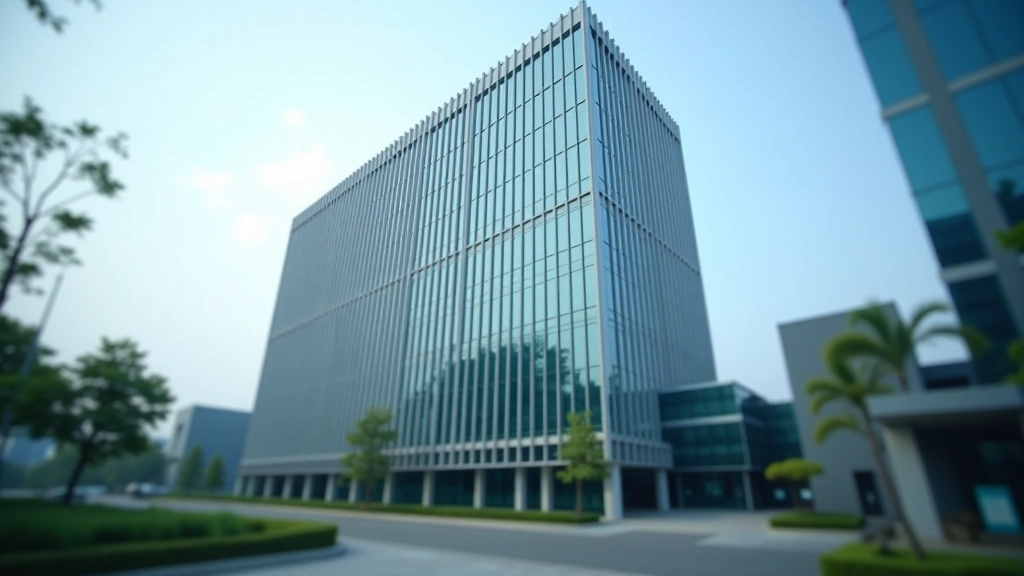
Semiconductor Sector: Why Malaysia Attracts Global Investors
Exploring Malaysia’s competitive advantages, technological infrastructure, and strategic positioning in global chip manufacturing and electronics assembly.

Malaysia’s Semiconductor Dominance
Malaysia isn’t just another manufacturing hub — it’s become a cornerstone of global semiconductor supply chains. Over the past decade, the country’s transformed itself from a regional player into a world-class destination for chip production, assembly, and testing operations.
What makes this transformation remarkable? It’s the combination of skilled workforce, strategic government incentives, proven infrastructure, and genuine commitment to technological advancement. Companies like Intel, AMD, and numerous Tier-1 suppliers didn’t choose Malaysia by accident. They’re here because the ecosystem delivers results.

Proven Manufacturing Expertise
With over 40 years in semiconductor manufacturing, Malaysia’s accumulated technical knowledge runs deep. Production yields consistently exceed global benchmarks — we’re talking about factories operating at 95%+ efficiency rates. That’s not luck. That’s experience.
Skilled Workforce Pipeline
The country produces thousands of engineering graduates annually through partnerships between industry and universities. Training programs at major manufacturing centers ensure workers understand cleanroom protocols, quality control, and advanced process technologies from day one.
Political & Economic Stability
Investors appreciate predictability. Malaysia’s maintained consistent governance, transparent regulatory frameworks, and business-friendly policies across multiple administrations. Currency stability and low inflation create the financial environment multinationals need for long-term planning.
Integrated Supply Chain
It’s not just about one factory. Malaysia’s got the complete ecosystem — packaging specialists, test facilities, materials suppliers, logistics hubs. Everything’s within reach. Companies reduce complexity and costs when their entire value chain operates in proximity.
The Penang Phenomenon
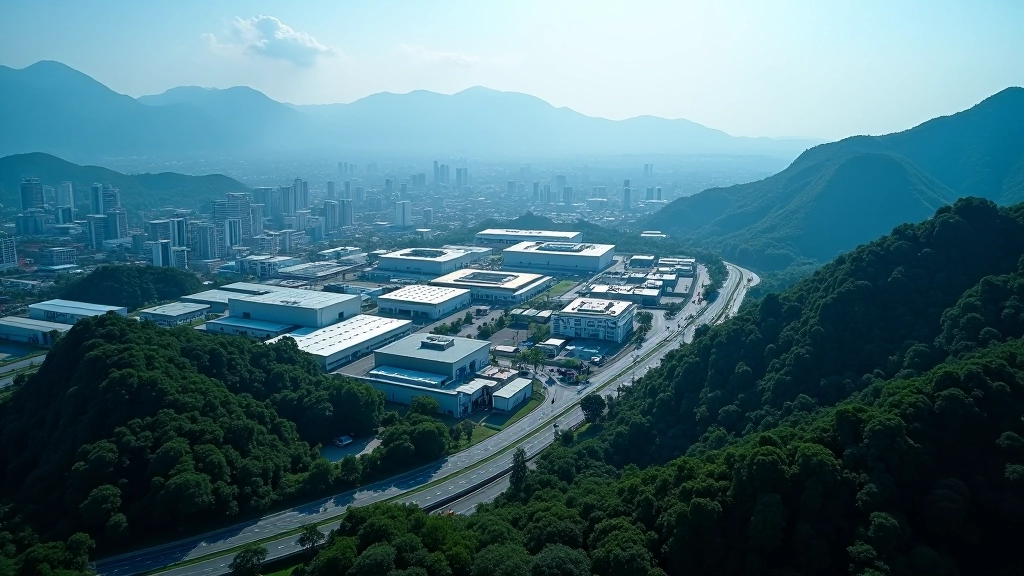
Penang deserves special attention. This northern state’s transformed into the silicon valley of Southeast Asia. Home to over 400 semiconductor and electronics companies, Penang generates roughly 40% of Malaysia’s semiconductor exports. That’s not a coincidence — it’s decades of deliberate development.
The state government created special economic zones with preferential utilities pricing, invested in transportation infrastructure, and established innovation centers. When Intel opened its Malaysian headquarters in Penang, others followed. Today, you’ve got Intel, Bosch Semiconductors, Analog Devices, and countless others operating world-class facilities within a 50-kilometer radius.
MIDA Incentives: The Investment Catalyst
Malaysia’s Investment Development Authority (MIDA) doesn’t just encourage foreign investment — it strategically attracts it through carefully structured incentive programs. For semiconductor manufacturers, these aren’t token gestures. They’re substantial commitments that meaningfully improve project economics.
Pioneer status offers 5-10 years of corporate income tax exemption for qualifying semiconductor operations. That’s significant cash preservation during critical early production phases. Additional incentives cover capital expenditure allowances, research and development tax credits, and accelerated depreciation on manufacturing equipment.
What’s important? These aren’t one-time bonuses. They’re renewable programs that adjust to emerging technology needs. As Malaysia shifts toward advanced packaging, 5G semiconductors, and automotive chips, incentive structures adapt to support these growth areas.

Why Investors Choose Malaysia
Cost Competitiveness Without Quality Compromise
Malaysia offers a rare combination: labor costs roughly 40-50% lower than developed economies, yet productivity metrics match or exceed North American and European facilities. You’re not sacrificing quality for cost savings. Manufacturing here means lower per-unit expenses while maintaining stringent quality standards.
Utilities pricing remains reasonable. Real estate for manufacturing complexes costs significantly less than in competitor nations. Logistics infrastructure — highways, ports, airports — handles efficient product movement. These factors compound, making Malaysia’s total cost of ownership remarkably attractive for high-volume production.

“Malaysia’s semiconductor ecosystem combines decades of manufacturing expertise with competitive economics and genuine government support. It’s why we’ve invested across multiple sites here.”
— Industry analysis, 2025
Future Growth Trajectory
Malaysia’s semiconductor sector isn’t resting on historical achievements. The industry’s actively positioning itself for next-generation technologies. Advanced packaging — chiplets, 3D integration, heterogeneous architectures — represents a massive growth opportunity. Malaysia’s investing heavily in capabilities here.
Automotive semiconductors are another focus area. With global electrification accelerating, demand for automotive-grade chips is exploding. Malaysia’s established relationships with automotive suppliers position the country perfectly to capture this growth. Power management, sensor interfaces, and safety-critical processors — these are high-value segments where Malaysia’s building new facilities.
The government’s committed to increasing R&D intensity across the sector. New semiconductor design centers are emerging. Universities are deepening partnerships with industry leaders. This creates a virtuous cycle where innovation capacity attracts even more sophisticated manufacturing operations.

The Bottom Line
Malaysia’s attraction for semiconductor investors isn’t hype. It’s grounded in tangible advantages: experienced manufacturing ecosystem, skilled workforce, strategic government support, integrated supply chains, and proven financial returns. Companies don’t invest billions in Malaysia by accident. They’re here because the fundamentals work.
Whether you’re a multinational considering expansion or an investor analyzing sector trends, Malaysia’s semiconductor story deserves serious attention. The country’s positioned as a critical hub in global chip manufacturing for the foreseeable future.
Information Disclaimer
This article provides educational information about Malaysia’s semiconductor sector and foreign direct investment landscape. The content is based on publicly available information current as of March 2026. While we’ve aimed for accuracy, specific investment opportunities, incentive programs, and regulatory requirements change regularly. Interested parties should conduct independent research and consult with local authorities, investment advisors, and legal professionals before making business decisions. This material isn’t investment advice and shouldn’t be treated as guidance for specific transactions or commitments.
Related Articles